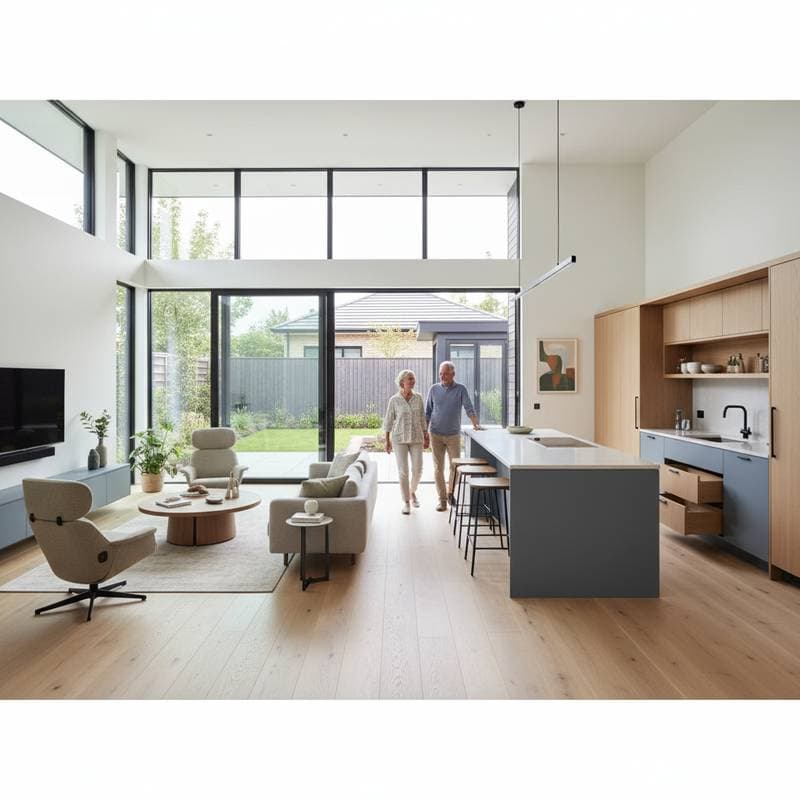
Future-Proof Your Home for Aging in Place Remodeling
Aging in place remodeling enables individuals to remain comfortable and independent within their homes as needs evolve over time. Thoughtful design choices enhance safety, accessibility, and daily convenience while preserving aesthetic appeal. This guide outlines strategies to plan and implement a remodel that maintains functionality, attractiveness, and preparedness for future requirements.
What This Guide Covers
- Essential features of aging in place design
- Room-by-room remodeling recommendations
- Cost estimates and potential return on investment
- Indicators for engaging professional services
- Actionable advice on safety, style, and comfort
Key Design Principles of a Future-Proof Home
1. Accessibility for All Mobility Levels
Design every entry and primary pathway to support seamless movement, whether using walkers, wheelchairs, or navigating with limited mobility. Hallways require a minimum width of 36 inches, and doorways need at least 32 inches to facilitate comfortable passage. Consider pocket doors or barn-style sliding doors to optimize space and enhance maneuverability without obstructing flow.
2. Safety Through Smart Layouts
Prioritize the reduction of fall risks in all areas. Select non-slip flooring options, including textured vinyl, low-pile carpet, or slip-resistant tile, to ensure reliable traction. Remove thresholds between rooms and create smooth transitions in flooring surfaces. In bathrooms and kitchens, incorporate grab bars that double as towel racks or shelving units, blending safety with understated elegance.
3. Comfort and Ease of Use
Simplify everyday tasks through intuitive features. Lever-style door handles and faucet controls prove more accessible than traditional knobs. Install adjustable-height countertops, pull-out shelves, and touch-activated lighting to promote sustained independence. Store frequently used items at heights between knee and shoulder level to avoid excessive bending or reaching.
Room-by-Room Remodeling Strategies
Entryways and Hallways
Widen entry doors to 36 inches and add level landings outside to ease transitions from outdoors. Install motion-sensor lighting along pathways to illuminate steps automatically. Opt for durable, easy-to-clean surfaces that resist wear from frequent use.
Kitchens
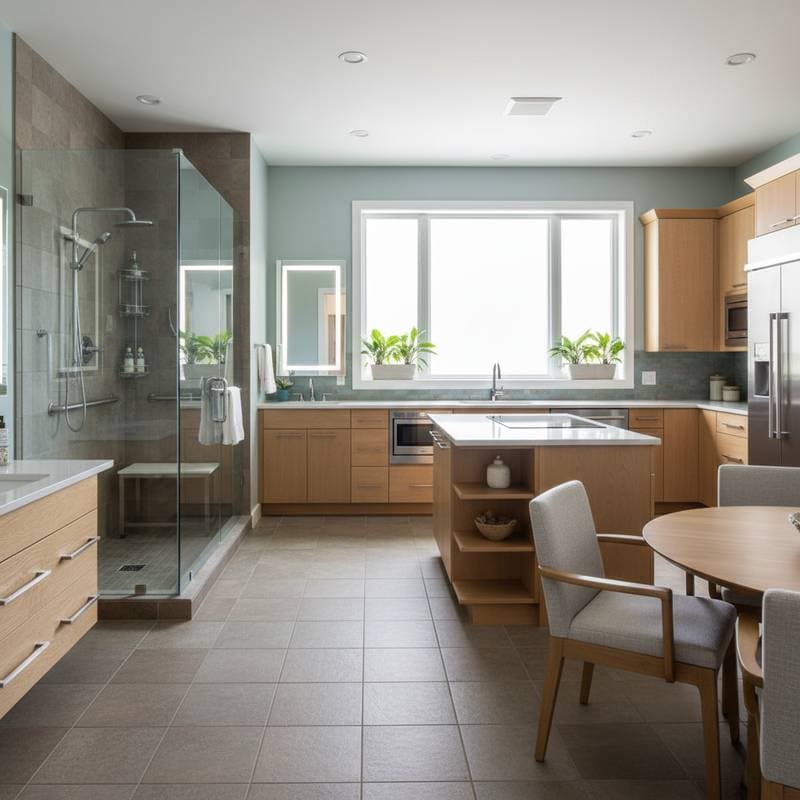
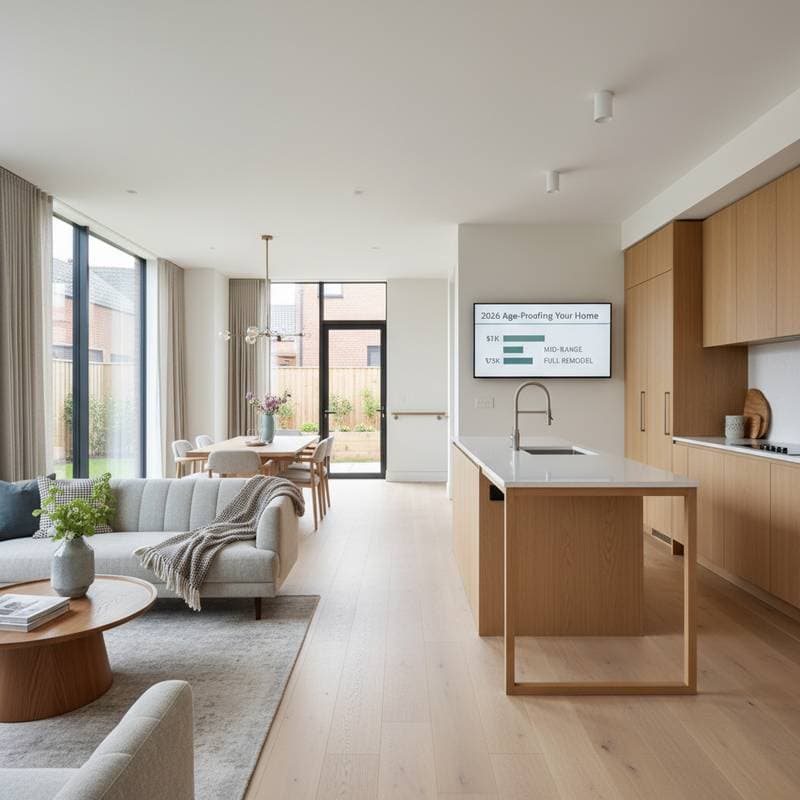
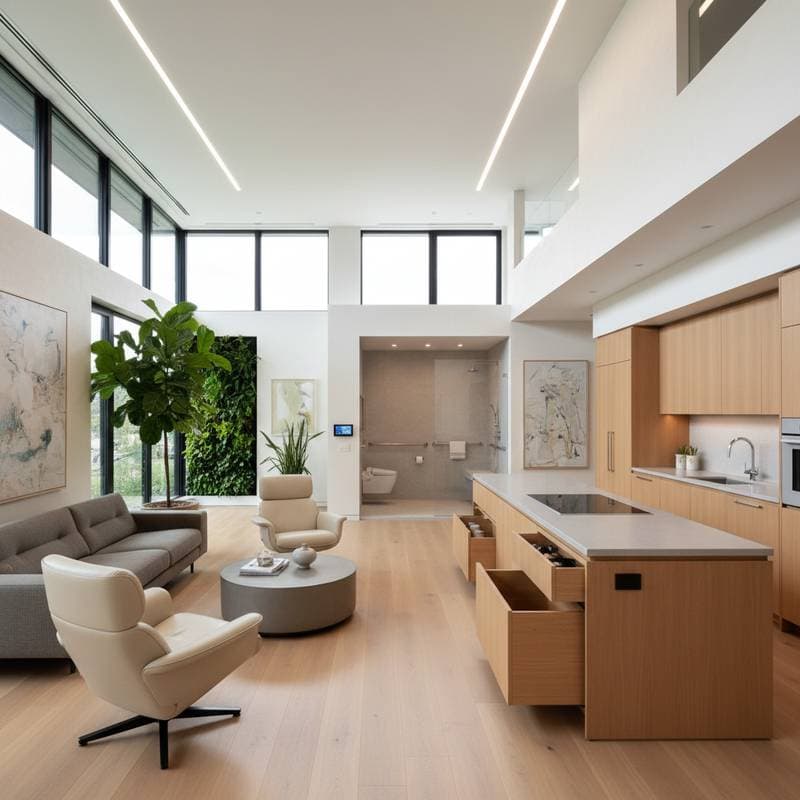
Lower countertops to 34 inches for seated preparation and include pull-down shelves in upper cabinets. Add rocker-style light switches and under-cabinet task lighting to reduce shadows. Integrate appliances at accessible heights, such as side-by-side refrigerators and front-loading washers, to minimize physical strain.
Bathrooms
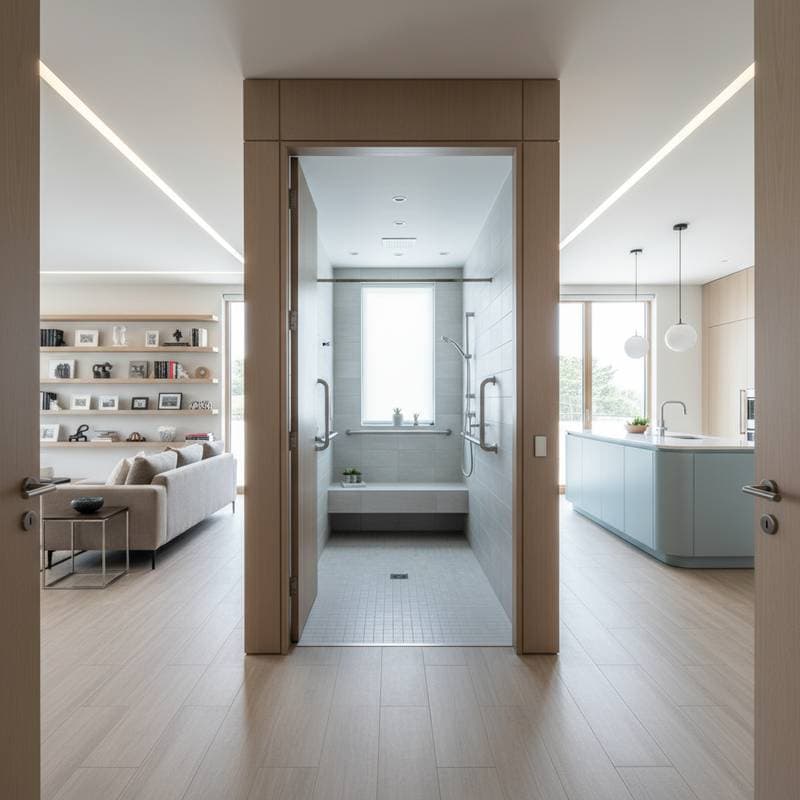
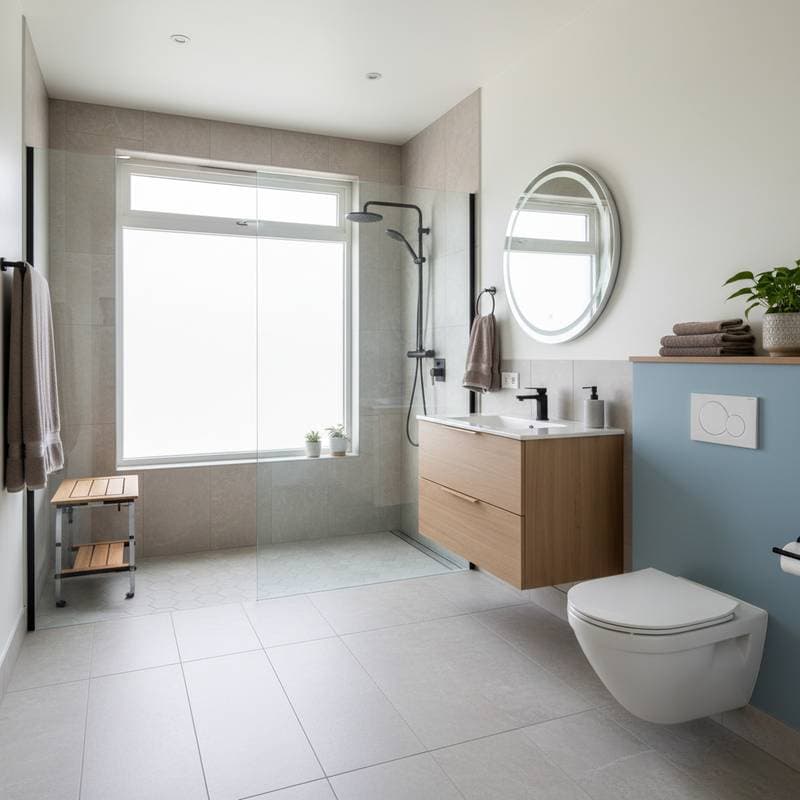
Convert to curbless showers with built-in benches and handheld showerheads for versatile use. Position toilets at 17 to 19 inches high for easier access, and install vanity cabinets with open shelving below. Use anti-scald valves on faucets to prevent burns and ensure mirrors extend to full height for visibility at various levels.
Bedrooms and Living Areas
Raise bed frames to 20 to 24 inches for straightforward entry and exit. Arrange furniture to create clear pathways at least 36 inches wide. Incorporate built-in closets with lower rods and automatic lighting to simplify organization and access.
Materials and Style Choices
Aging in place design avoids a clinical appearance by emphasizing materials that combine beauty with utility. Matte finishes minimize glare, warm color palettes enhance visibility, and natural textures foster a sense of comfort. Select cabinetry equipped with soft-close hardware and flooring that balances traction with warmth, such as luxury vinyl planks or cork underfoot.
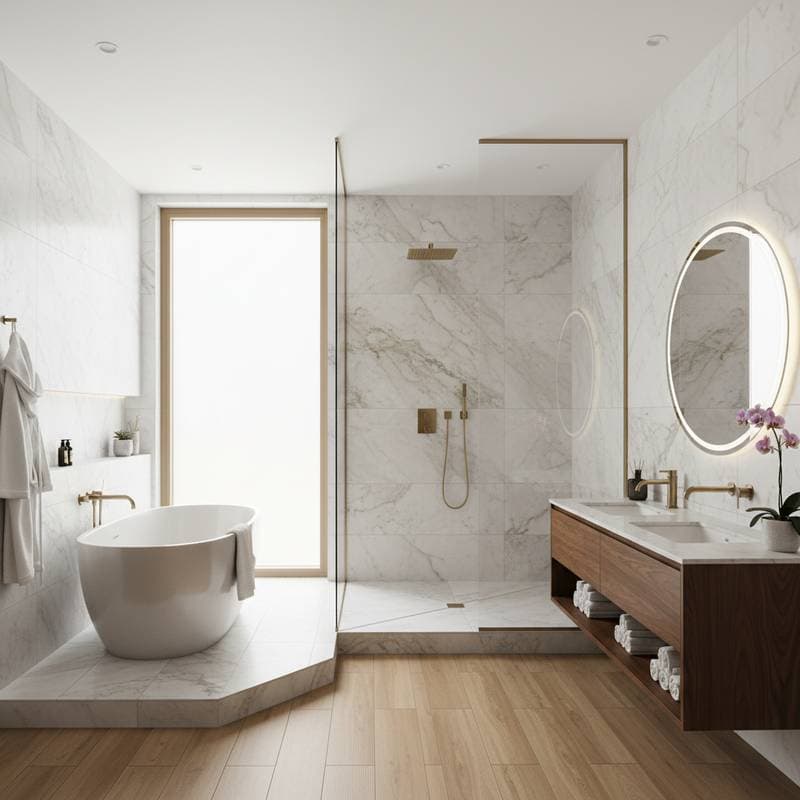
For fixtures, choose brushed nickel or matte black options that resist fingerprints and offer secure grips. In bathrooms, stone-look porcelain tiles deliver sophistication alongside essential slip resistance. Effective design weaves safety elements into the overall scheme, ensuring the home remains stylish and hospitable.
Cost Ranges and Return on Investment
Basic updates, like installing lever handles or grab bars, range from $500 to $2,000 per room. Comprehensive projects, including kitchen or bathroom overhauls, typically cost $10,000 to $50,000, depending on scope and materials. Accessibility additions often yield a 50 to 70 percent return on investment through increased home value and reduced future modification expenses.
Factor in long-term savings from energy-efficient features, such as LED lighting and insulated windows, which lower utility bills. Consult local market data to assess how these enhancements appeal to future buyers seeking adaptable properties.
When to Hire a Professional
Certain updates require minimal effort, but complex tasks benefit from expert involvement. Engage a professional for:
- Structural modifications, such as widening doorways or removing load-bearing walls
- Electrical upgrades, including new circuits for lighting or outlets
- Plumbing installations for walk-in tubs or curbless showers
- Exterior adaptations like ramp installation or site grading
- Projects necessitating permits for compliance with building codes
When choosing a contractor, seek certifications from groups like the National Association of Home Builders Certified Aging-in-Place Specialist program. Review portfolios of past work, obtain references from nearby clients, and verify familiarity with design principles and regulatory standards.
Frequently Asked Questions
What width should hallways and doorways be for accessibility?
Hallways require at least 36 inches in width, and doorways need a minimum of 32 inches to accommodate mobility aids effectively.
Are curbless showers difficult to maintain?
Curbless showers feature linear drains and seamless flooring, which simplify cleaning and help prevent mold accumulation.
Can safety improvements occur without a full remodel?
Affirmative. Enhancements like improved lighting, non-slip mats, and lever handles elevate safety through straightforward changes.
What flooring options suit aging in place best?
Slip-resistant vinyl, cork, and low-pile carpet excel by offering traction and cushioning for falls.
Do accessibility renovations require permits?
Permits apply to structural, electrical, or plumbing alterations. Confirm requirements with the local building authority prior to commencement.
Sustaining Adaptability Over Time
Aging in place remodeling extends beyond initial accessibility to safeguard independence and property value. Conduct periodic assessments every three to five years to address emerging needs or upkeep concerns. Maintain bright illumination, secure flooring, and operational fixtures to uphold safety standards.
Incorporate user-friendly technology, such as smart thermostats or video doorbells, with interfaces that remain intuitive. Progressive adaptations avert expensive reactive modifications. Through forward-thinking planning, the home evolves into a supportive space that accommodates all life stages, delivering enduring comfort and practicality.